
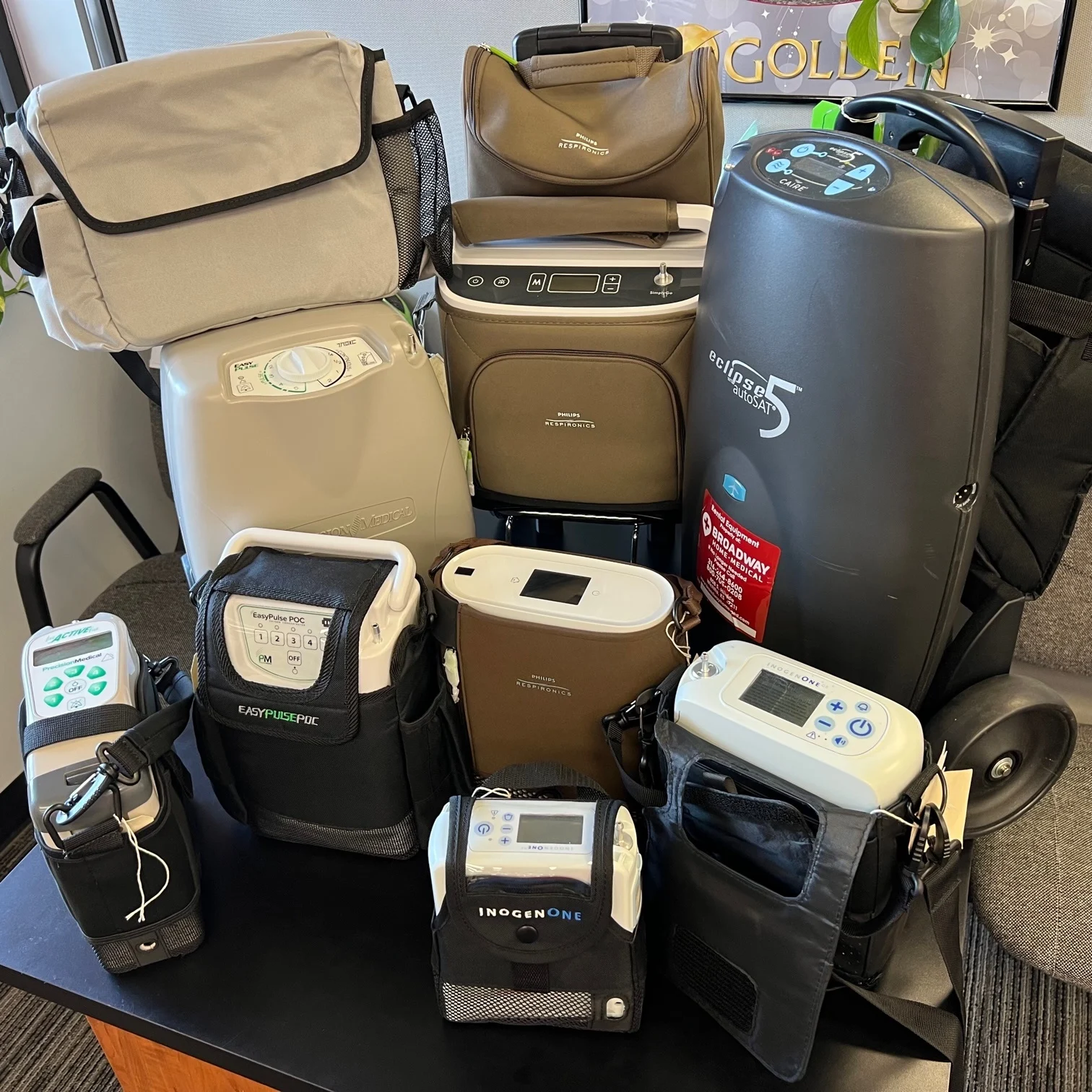
When breathing becomes difficult, daily life can feel exhausting. For many patients, a home oxygen concentrator makes a real difference, allowing them to receive oxygen therapy in the comfort of their own room instead of staying in hospital. Because oxygen is a medical treatment, it is important to understand how these machines work and how to use them safely.
What Is an Oxygen Concentrator?
An oxygen concentrator is an electrical machine that takes in room air, filters out much of the nitrogen, and delivers air with a higher oxygen concentration through a tube and mask or nasal prongs. Unlike a gas cylinder, it does not need refilling. It simply needs a power supply and regular care.
Who May Need One?
A doctor may prescribe home oxygen for people with long-term breathing or lung conditions, or those recovering from serious respiratory illness. Only a doctor can decide whether oxygen therapy is needed and set the right flow rate and hours of use. Never buy or use a concentrator to treat yourself or someone else without medical advice.
Safety Rules Every Family Should Follow
- No smoking and no open flames: Oxygen makes fire burn faster. Keep cigarettes, candles, kerosene lamps, gas stoves and charcoal fires well away from the machine and the patient.
- Keep it ventilated: Place the concentrator in an open, well-ventilated area with space around it. Do not cover it or push it against a wall or curtain.
- Avoid oil-based products: Do not use petroleum jelly or other oil-based creams around the nose or face while using oxygen. Ask your doctor or pharmacist about water-based alternatives.
- Do not change the settings: Use the flow rate prescribed by the doctor. More oxygen is not always better.
- Watch the tubing: Keep tubes from being tripped over, pinched or kinked.
Everyday Care for the Machine
- Clean the filters: Dust is a major cause of poor performance. Follow the manufacturer's instructions for cleaning or replacing filters.
- Wipe the outside: Use a clean, damp cloth, and make sure the machine is switched off and unplugged first.
- Keep accessories clean: Masks and nasal tubing should be cleaned or replaced as instructed.
- Schedule servicing: Regular checks help the machine deliver consistent oxygen.
Plan for Power Cuts
A concentrator needs electricity. Ask your doctor in advance what the patient should do during a power cut, and whether a backup oxygen supply or backup power is needed. Do not wait until an outage to find out.
When to Seek Urgent Help
A concentrator is not for emergencies. If the patient becomes more breathless, turns blue around the lips, is confused or drowsy, or has chest pain, get urgent medical help immediately.
Choosing a Concentrator
Ask the supplier about the machine's flow range, noise level, power use, warranty and servicing, and make sure it suits what the doctor has prescribed. Buying from a supplier who offers genuine equipment and support after the sale gives you peace of mind.
Get a Home Oxygen Concentrator Quote from DMT Mate
DMT Mate Technologies supplies home oxygen concentrators for home and assisted-care use. Tell us what your doctor has recommended and where the machine will be used, and we will help you choose.
Request a quote on WhatsApp: +233 55 262 2373. We reply within 15 minutes during working hours. You can also visit us at the 3rd Floor, One Airport Square, Accra.
This article is for general information only and is not a substitute for professional medical advice. Oxygen therapy should only be used as directed by a qualified healthcare professional.