
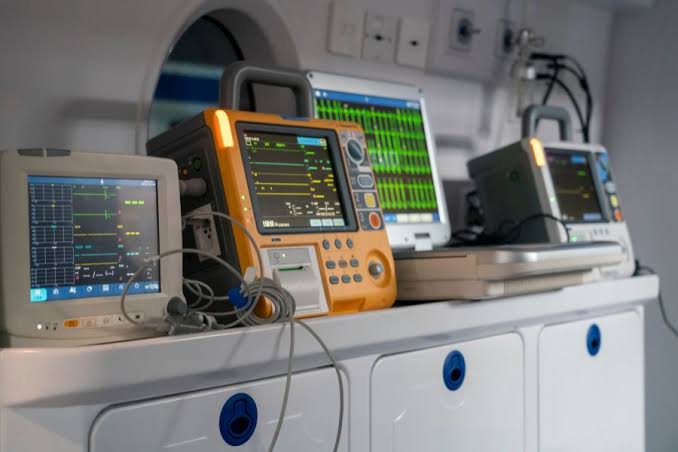
A machine that powers on and displays a reading is not necessarily a machine you can trust. Over time, medical equipment can drift out of accuracy through wear, heavy use, relocation, power fluctuations or simply age. Because clinical decisions rely on these readings, regular technical checks are an important part of running a safe healthcare facility.
What Do These Terms Mean?
- Calibration: Comparing a device's readings against a known reference and adjusting it where needed, so its measurements stay accurate.
- Performance verification: Checking that the equipment works as intended and within acceptable limits.
- Preventive maintenance: Scheduled servicing, cleaning, inspection and parts replacement carried out before faults develop.
Why It Matters
- Patient safety: Inaccurate readings can lead to wrong decisions about diagnosis and treatment.
- Fewer breakdowns: Regular servicing helps catch small problems early, before they cause downtime.
- Longer equipment life: Well-maintained equipment usually lasts longer and protects your investment.
- Better records: Service records help you plan budgets, demonstrate good practice and track each device's history.
Signs Your Equipment May Need Attention
- Readings that are inconsistent or differ from another device measuring the same thing.
- Equipment that has been repaired, moved, dropped or exposed to a power surge.
- Devices that have not been serviced or checked for a long time, or have no service record at all.
- Unusual noises, error messages, slow responses or intermittent faults.
- Equipment that is simply old or heavily used.
Equipment that appears operational may still need appropriate technical checks, so do not wait for a complete failure.
Equipment That Commonly Needs Regular Checks
The checks needed depend on the device and the manufacturer's guidance. Equipment commonly included in maintenance and testing programmes includes patient monitors, blood pressure monitors, thermometers, weighing scales, infusion equipment, ultrasound systems, imaging equipment, laboratory equipment and oxygen equipment.
How to Start a Maintenance Programme
1. Build an equipment inventory
List every device with its name, model, serial number, location, age and last service date. You cannot manage what you have not recorded.
2. Identify priorities
Start with equipment that is critical to patient care, used heavily, or already showing inconsistent results.
3. Follow manufacturer guidance
Manufacturers specify how often their devices should be serviced and checked. Use these recommendations as your baseline.
4. Use qualified technical support
Calibration and testing should be carried out by suitably qualified technicians using appropriate reference equipment, according to the agreed scope for each device.
5. Keep clear records
Record what was checked, when, by whom and what was found or changed. Good records make future planning and audits much easier.
Questions to Ask a Service Provider
- Which types of equipment do you support, and what is included in the agreed scope?
- Who will carry out the work, and what are their qualifications?
- What records and reports will we receive afterwards?
- How will you coordinate calibration where specialist reference equipment is needed?
- How quickly can you respond if a device fails?
Equipment Support from DMT Mate Medical Technologies
DMT Mate Medical Technologies supports hospitals, clinics, laboratories and healthcare organisations with equipment assessment, maintenance planning, calibration coordination and technical service support, according to the agreed scope and equipment requirements. If you have inconsistent readings or overdue maintenance, or you simply want a clearer picture of your equipment, we can discuss your inventory and testing needs.
WhatsApp: +233 55 262 2373. You can also visit us at the 3rd Floor, One Airport Square, Accra.
This article is for general information only. Always follow the manufacturer's instructions and the requirements of the relevant Ghanaian regulators for your equipment and facility.